




There is so much more than just knowing who your B2B buyers are, their title, or the size of their company. The real challenge? Conventional data cannot answer questions like what is actually going on in their heads, why they are not sleeping at night, and why they took one solution instead of the other.
Most B2B marketers rely on surface-level firmographics-industry type, company revenue, and employee count-but these metrics merely scratch the surface. They tell you who your prospects are, not why they buy. This gap leaves you guessing at messaging, wasting budget on generic campaigns, and wondering why your “perfect fit” accounts aren’t converting.
Psychographic data for B2B marketing completely changes the game. By uncovering attitudes, values, pain points, and motivations that shape buying behavior, one can go beyond demographics to connect on a much deeper level with decision-makers. You will learn in this guide how to leverage psychographic insights into laser-focused personalization, craft messaging that resonates, and finally drive higher engagement, conversion rates, and ROI. Ready to understand not just who your buyers are, but what makes them tick? Let’s dive in.
What Is Psychographic Data in B2B Marketing?
In B2B marketing, psychographic data refers to the psychological and behavioral characteristics driving how business decision-makers think, feel, and act. Apart from traditional data that may give you simple facts about a company or contact, psychographics dig into the human side of B2B buying-the motivations, beliefs, priorities, and emotional drivers that shape purchasing decisions.
In the B2B environment, psychographic data can help you understand what’s most important to your buyers: Are they risk-averse or innovation-driven? Is it about cost savings or having an upper edge in technology? Is career advancement, operational efficiency, or competitive advantage their principal drive? This sets you up for messaging that speaks directly to their core concerns and aspirations, rather than a ‘here are the features and hope something sticks’ approach.
While firmographics tell you if a company fits your ideal customer profile, psychographics show you whether they are ready to buy and what will convince them to choose you over the competition.
Psychographic Data vs. Demographic and Firmographic Data
The fact that psychographics are different and complementary to other types of B2B data is key to their real value.
Demographics: Who They Are
- Age, gender, and educational background
- Job title and seniority
- Years of experience
- Geographical location
Firmographics: Where They Work
- Company size and number of employees
- Industry and vertical
- Annual revenue
- Technology stack
- Geographic presence
Psychographics: Why They Buy
- Values and beliefs – Innovation vs. Stability
- Pain points and challenges
- Goals and motivations
- Purchase triggers and decision-making style
- Attitudes toward risk, change, and ROI
- Communication preferences
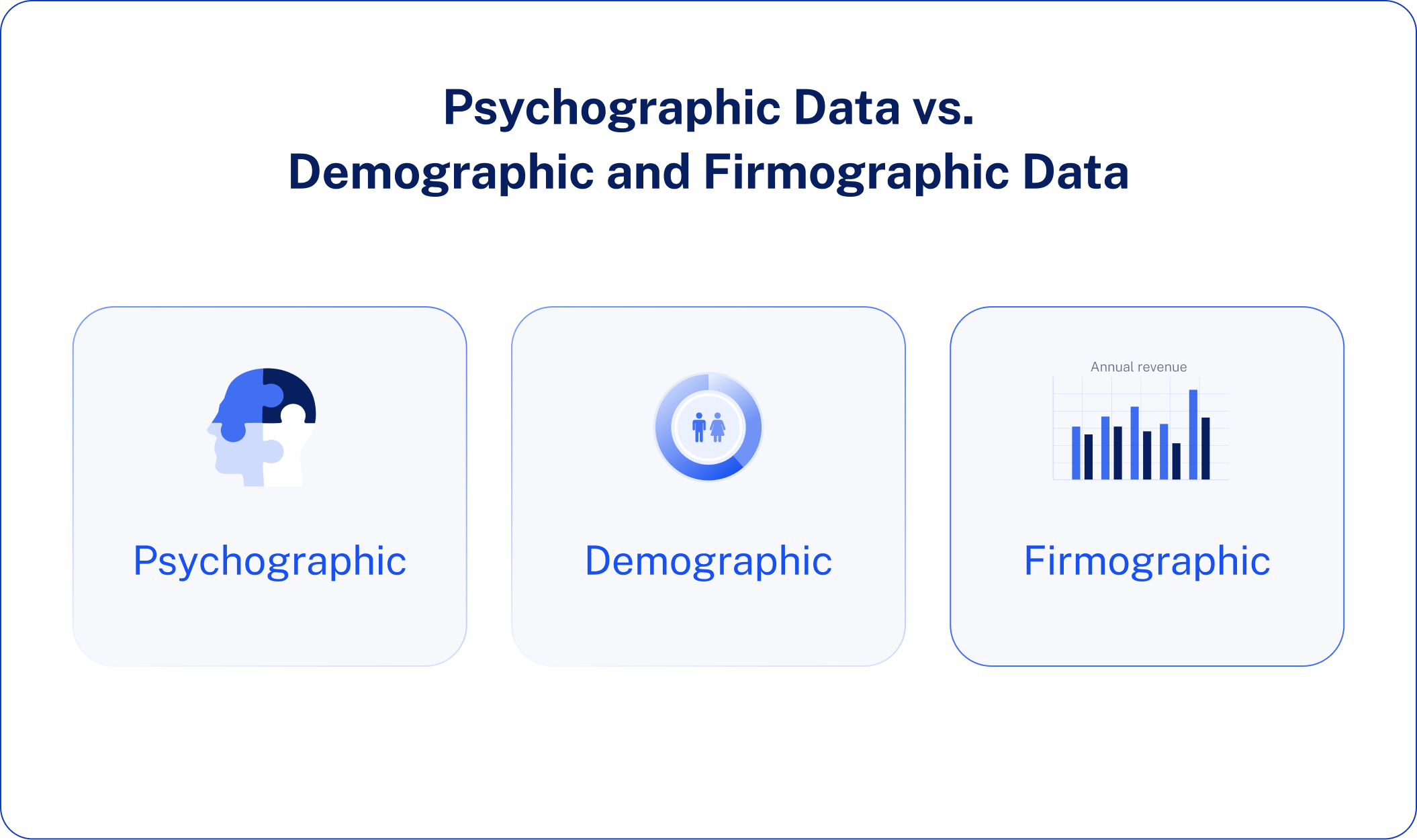
This is where the major difference lies: the former can assist in identifying your audience and segmenting them (demographics and firmographics), but, in the latter case, this may assist in connecting with them. A Fortune 500 technology company CMO and a CMO of a mid-sized manufacturing organization might seem the same demographically, but have entirely different motivations and priorities, and purchase requirements.
Add psychographic insights to your firmographic targeting, and you can now have a 3D picture of your B2B buyers. You are no longer targeting the right companies but the right people within the companies with the right message at the right time. It is then that personalization ceases being just a buzzword and begins to produce tangible outcomes.
Why Psychographic Data Matters in B2B Marketing
The B2B buyer landscape has fundamentally changed. Decision-makers today are overwhelmed by choices, bombarded by generic outreach, and increasingly skeptical of one-size-fits-all solutions. They want partners and not vendors who understand their unique challenges and speak to them in a language that is their own.
Psychographic segmentation comes in there. In the modern example of B2B marketing, it is no longer just about what you know about your prospects and where they are. You should know what drives them to search, what makes them watchful, and what results they are attempting to accomplish. The lack of this extended understanding will bring the most thoroughly researched campaigns to a halt.
Creating Emotional Resonance in a Rational Market
It has become a myth that B2B purchasing is all business and all logical, transactional. The truth of the matter is that business buyers are still humans and they are making decisions based on emotion, personal objectives, and professional fears. The CFO does not simply consider ROI; they are considering accountability in the budget and career considerations. An IT Director isn’t just comparing features; they are worried about implementation risks and team adoption.
Psychographic data allows you to tap into these emotional drivers. When you understand what truly motivates your buyers-whether it is competitive differentiation, operational efficiency, or career advancement can craft messaging that really resonates on a deeper level. That emotional connection does more than simply improve engagement; it builds trust and accelerates decision-making.
The Impact on Sales Cycles and Conversion
Let the numbers do the talking. In fact, according to recent research, a personalized B2B campaign on buyer motivation data delivers significantly stronger results:
- Companies using B2B personalization strategies in their website user experiences see an average increase of 19% in sales.
- Segmentation of the audience, combined with psychographic targeting, can increase click-through rates and engagement in e-mail campaigns by as much as 50% over those that are non-segmented.
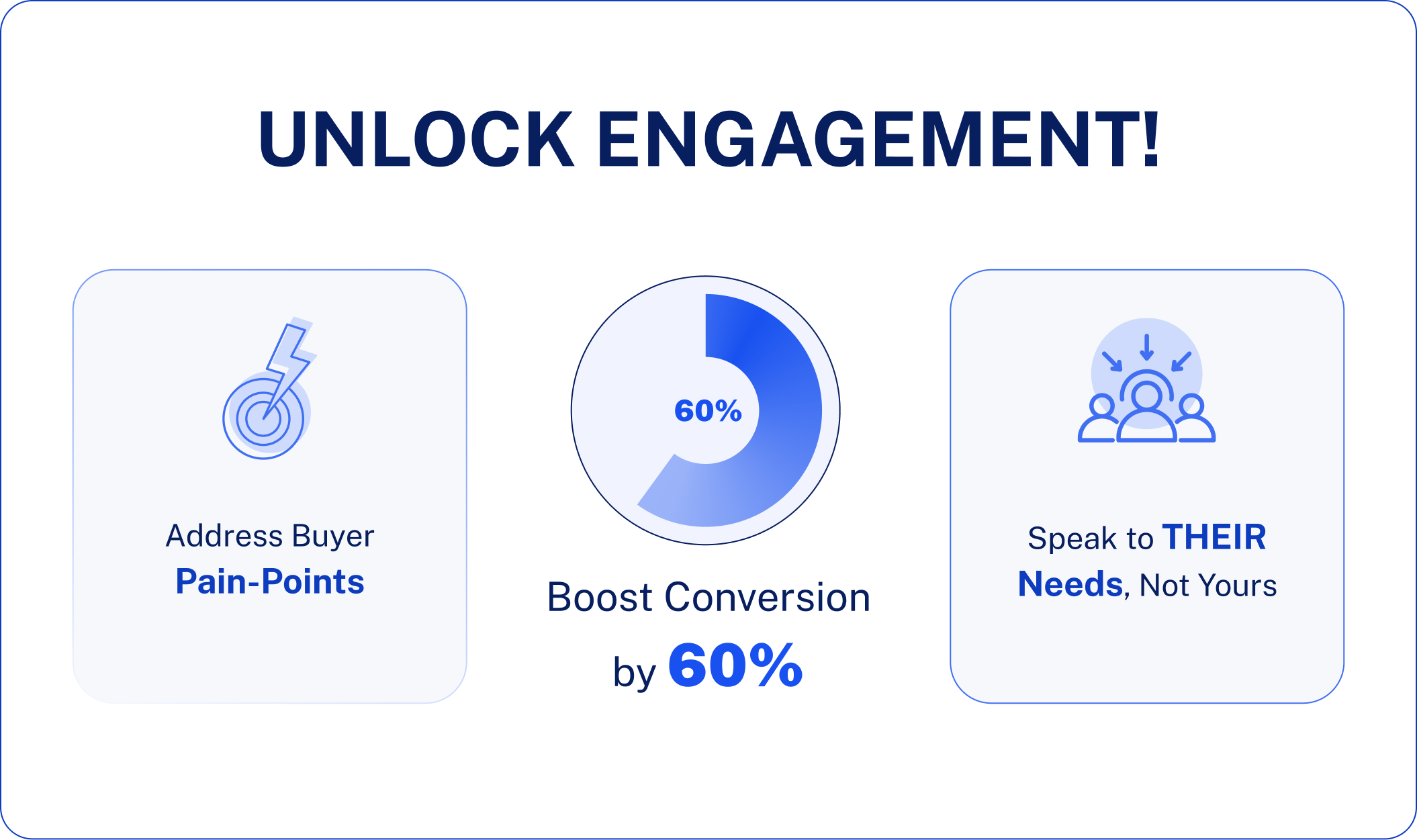
- In fact, buyers are up to 60% more likely to engage with content addressing their specific pain points and motivations.
You will also start to naturally shorten sales cycles when you set messaging to what your prospects actually care about. Decision-makers don’t have to be convinced that you understand their world-your outreach proves it from the very first touchpoint. You go from cold prospect to a credible partner faster because you speak directly to their “why.”
The bottom line? Psychographic insights provide a competitive edge to outshine the noise in today’s crowded markets, where everyone claims to offer the best solution. With psychographics, it is easier to connect authentically and more effectively with your audience. After all, you’re not marketing to companies-you’re marketing to the people that make the decisions and address precisely what keeps them up at night.
Types of Psychographic Data for B2B Marketing
Not all psychographic data is created equal, and to really understand your B2B buyers, you need to look at multiple dimensions of what drives their behavior and decisions. While firmographics may lead you to believe that two companies are alike in size and industry, psychographic data will show you the critical differences in how they think, what they value, and why they make purchasing decisions. This deeper layer of insight is what separates generic campaigns from targeted outreach that actually converts.
The challenge many B2B marketers face is knowing where to start. Psychographic insights can come from a host of sources, ranging from digital behavior patterns to organizational culture signals, and understanding which types matter most for your strategy is crucial.
In this order, here are the four major types of psychographic information that can dramatically change your targeting strategy and can make you relate with decision-makers on a higher, more meaningful level:
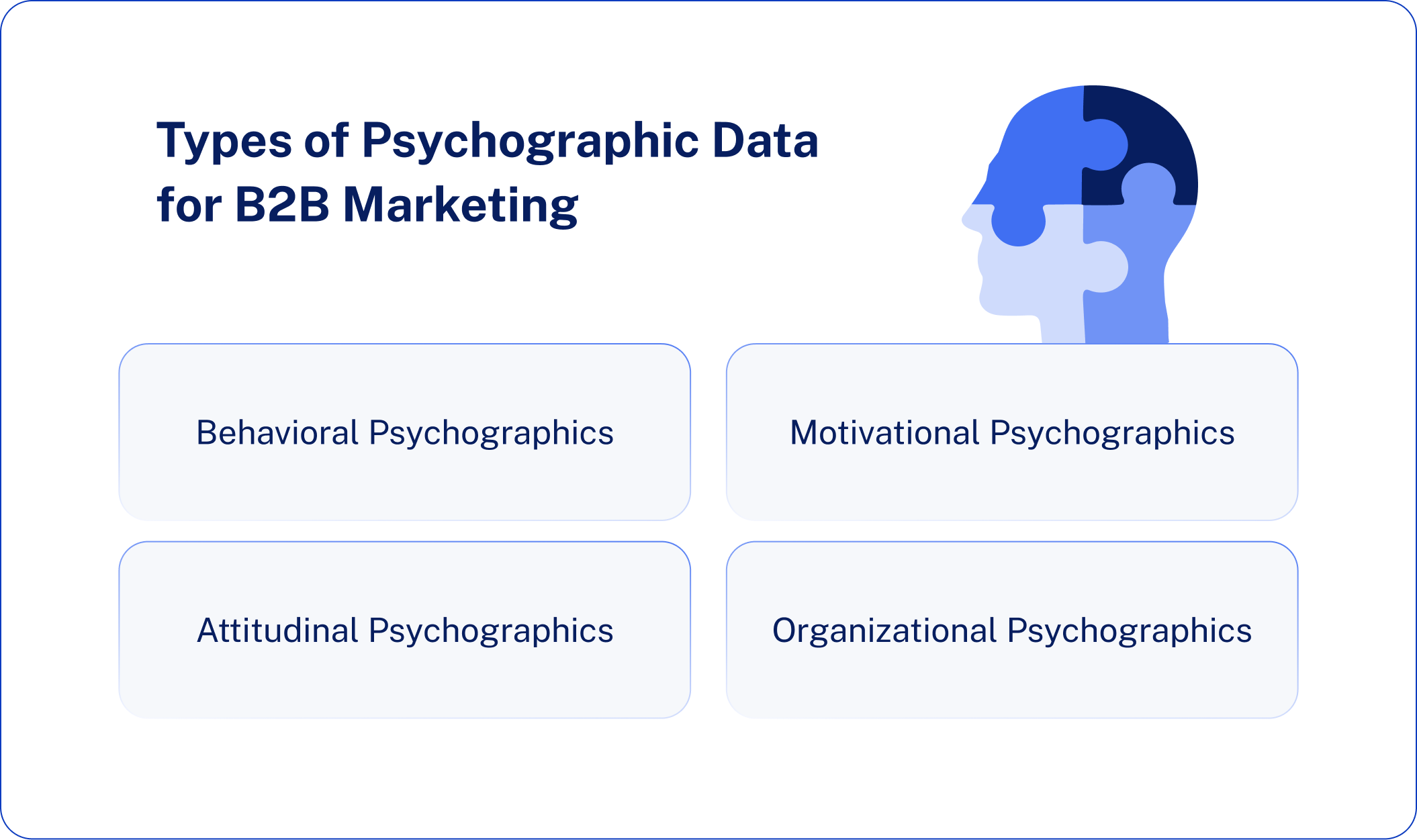
Behavioral Psychographics
Behavioral psychographics focus on how your prospects act and engage in the digital space. These patterns reveal intent and readiness to buy:
- Online behavioral patterns: What sites do they visit? How frequently do they search for a solution like yours? Do they compare vendors, or are they just browsing?
- Content consumption habits: Do they prefer in-depth whitepapers, quick video demos, or case studies? Are they downloading resources, attending webinars, or engaging with social content?
- Technology adoption patterns: Do they jump on new tools or are they cautious evaluators that wait for proven solutions? What platforms and software do they currently use?
- Purchase history and timing: When do they typically make buying decisions – end of quarter, fiscal year, or during specific business cycles? Have they purchased similar solutions before?
That’s because these behavioral signals help you understand where your prospects are in their buyer’s journey and what type of content will move them along.
Attitudinal Psychographics
Attitudinal psychographics reveal how your prospects think about their industry, their challenges, and potential solutions:
- Industry perspectives: Are they optimistic about market trends or concerned about disruption? Do they see their industry as stable or rapidly evolving?
- Innovation readiness: Do they consider themselves industry leaders, or do they follow tried-and-tested paths? Are they willing to take calculated risks on new approaches?
- Brand preferences: Do they favor established enterprise vendors or nimble startups? Are they loyal to existing partners or open to switching?
- Competitive positioning awareness: How do they view their competitive landscape? Are they focused on maintaining market share or aggressive growth?
Knowing such attitudes places you in a position to frame your solution so that it is aligned with, rather than in opposition to, their worldview.
Motivational Psychographics
Motivational psychographics disclose the reasons why people make certain purchase decisions-the personal and professional motivational elements that drive choices:
- Career aspirations: Is this a case of trying to prove ROI to further their own careers? Do they want to be seen as innovators or reliable operators?
- Business goals and KPIs-what are they measured on: cost reduction, revenue growth, efficiency gains, or customer satisfaction?
- Pain point severity: How urgent is their problem? Is it a minor inefficiency or a critical business challenge that demands immediate action?
- Success metrics that matter: What does success look like to them? Faster implementation, measurable ROI, team adoption rates, or competitive advantage?
When you tap into what motivates them personally, you transcend the one-size-fits-all value proposition and speak directly to what keeps them up at night and what will make them look like heroes.
Organizational Psychographics
Organizational psychographics study company-level factors affecting how choices are made and priorities are set:
- Cultural company indicators: Is the organization risk-averse and process-driven, or entrepreneurial and agile? Does it value innovation or stability?
- Decision-making processes: Are purchasing decisions made by committees or individual leaders? How long are typical sales cycles, and who needs to sign off?
- Budget priorities: Where does the company allocate resources for technology upgrades, talented personnel acquisition, operational efficiency, or growth initiatives?
- Growth stage/mindset: The company is in the startup stage, a high growth stage, a mature/steady growth stage, or restructuring. Are they focused on survival, growth, or market dominance?
These organizational insights help you tailor not just your message, but your entire sales approach-from how you position value to which stakeholders you need to engage.
The combination of all types of psychographic data yields a rich, deep understanding of your B2B buyers, extending very far from simple firmographics. That’s how you transform generic campaigns into personal experiences that truly resonate.
How to Collect Psychographic Data for B2B Marketing
Collecting psychographic data does not involve guesswork or assumptions; rather, it is about strategic collection of insights at multiple touchpoints where buyers voluntarily reveal their motivations, preferences, and pain points.
The key is combining different data sources to build a comprehensive picture of what drives your audience. Unlike firmographic data that you can purchase from a vendor, psychographic insights require a more intentional multi-layered approach that captures both explicit signals-what prospects tell you directly-and implicit signals-what their behavior reveals.
The good news? You likely already have access to many of these data sources-you just need to know what to look for and how to connect the dots. Let’s break down the most effective methods for collecting psychographic data that will actually move the needle on your B2B marketing efforts:
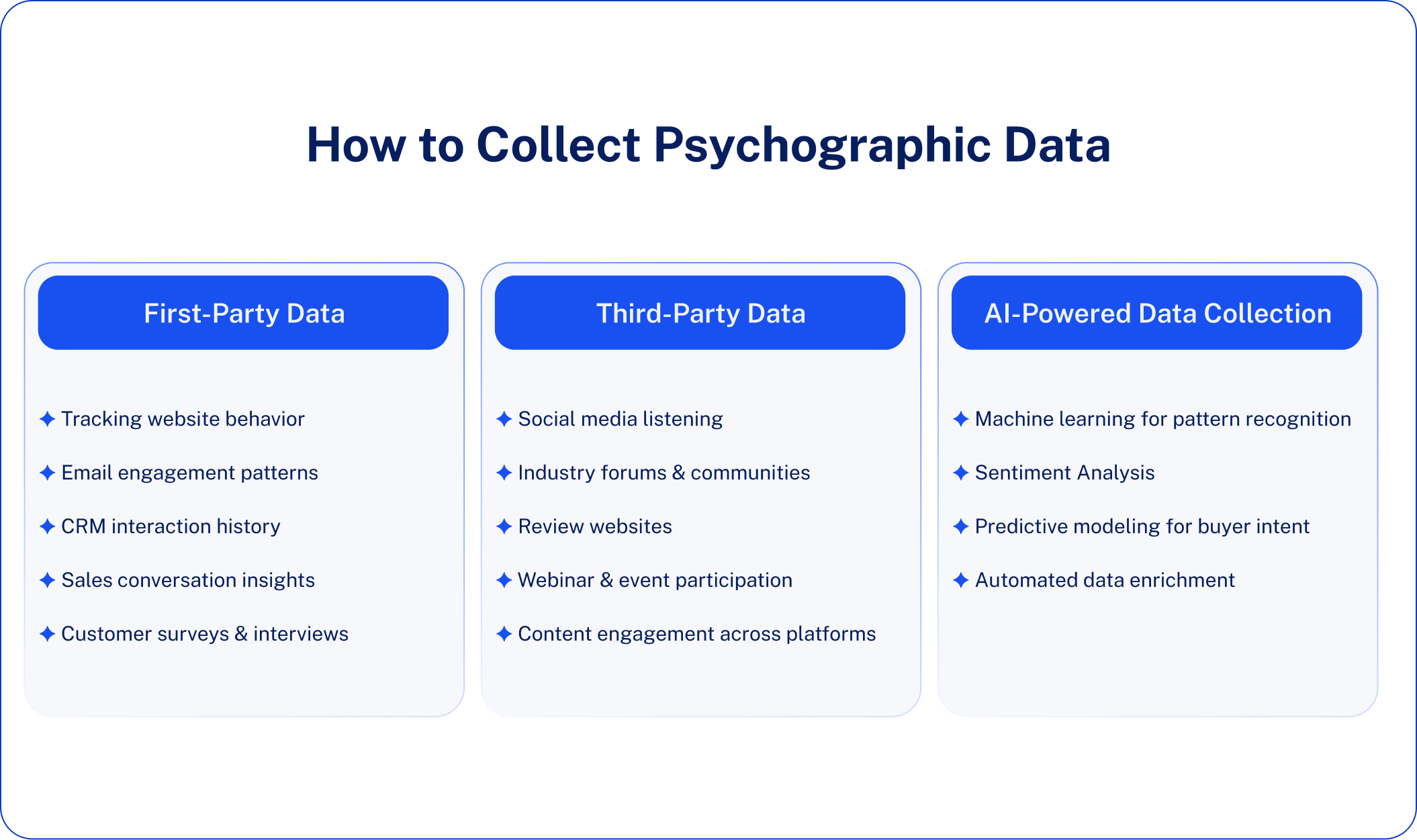
First-Party Data Sources
Your own digital properties and customer interactions are goldmines of psychographic insights. First-party data is not only the most accurate but also the most compliant with privacy regulations:
- Tracking website behavior:
Track the pages that prospects visit, time spent on them, and with what content they engage. Do they hang out on the pricing pages, case study pages, or technical documentation? That is indicative of their priorities and stage in the buying journey.
- Email engagement patterns:
Track which email subjects drive opens and clicks. Is it ROI-focused messaging, innovation stories, or risk mitigation content that drives response? Their engagement patterns tell you what resonates.
- CRM interaction history:
Analyze past touchpoints, response times, and communication preferences. Do they prefer detailed proposals or quick summaries? Are they responsive to phone calls or email-only contacts?
- Sales conversation insights:
Your sales team sits on a treasure trove of psychographic data. Document objections, questions, stated priorities, and decision-making concerns that come up during discovery calls and demos.
- Customer surveys and interviews:
Directly ask your customer what motivated them, what was holding them back, and what finally made them do it. Their responses are genuine and can be applied to similar prospects.
First-party data provides direct visibility to how your audience actually behaves with your brand, and thus forms the basis of any psychographic strategy.
Third-Party Data Sources
Looking beyond your owned channels helps you to understand your prospects’ behavior and preferences across the larger digital landscape:
- Social media listening and analysis:
Set up monitoring of LinkedIn groups, Twitter conversations, and industry-specific social platforms to understand what your target audience is talking about, what bothers them, and which thought leaders they like to follow.
- Industry forums and communities:
-
- Forums like Reddit, Slack communities, or specialized forums unveil raw sentiments on challenges, experiences with vendors, and trends within your prospects’ industries.
- Review websites and comparison platforms:
G2, Capterra, and TrustRadius let you know what features matter most to buyers, what complaints are frequent, and how prospects evaluate competing solutions.
- Webinar and event participation:
Keep track of what events, conferences, and webinars your prospects go to. Their choices reveal their interests, learning preferences, and areas of focus.
- Content engagement across platforms:
Utilize tools to monitor what third-party content your audience consumes-which blogs they read, which podcasts they listen to, and which influencers they interact with.
Third-party sources give you context about your buyers’ world outside of direct interactions with your brand, helping you understand their broader perspective.
AI-Powered Data Collection
Modern AI and machine learning technologies can scale psychographic data collection and uncover patterns that humans might miss:
- Machine learning for pattern recognition:
AI algorithms are capable of analyzing vast amounts of data to identify behavioral patterns. This allows for audience segmentation based on shared psychographic traits and the prediction of prospects who align with your ideal customers.
- Sentiment Analysis using Natural Language Processing:
NLP interprets email replies, chat messages, and social networking posts to determine sentiment, urgency, and emotional stimuli to reveal the true feelings of the prospects about their problems.
- Predictive modeling for buyer intent: AI can combine multiple signals content downloads, website visits, and social engagement, to score prospects based on intent and readiness to buy, helping you prioritize outreach.
- Automated data enrichment: AI-powered platforms can automatically append psychographic attributes to your existing contact records by analyzing public data, online behavior, and engagement patterns across multiple sources.
AI doesn’t replace human insight, but it dramatically accelerates your ability to collect, process, and act on psychographic data at scale.
Ethical Considerations and Compliance
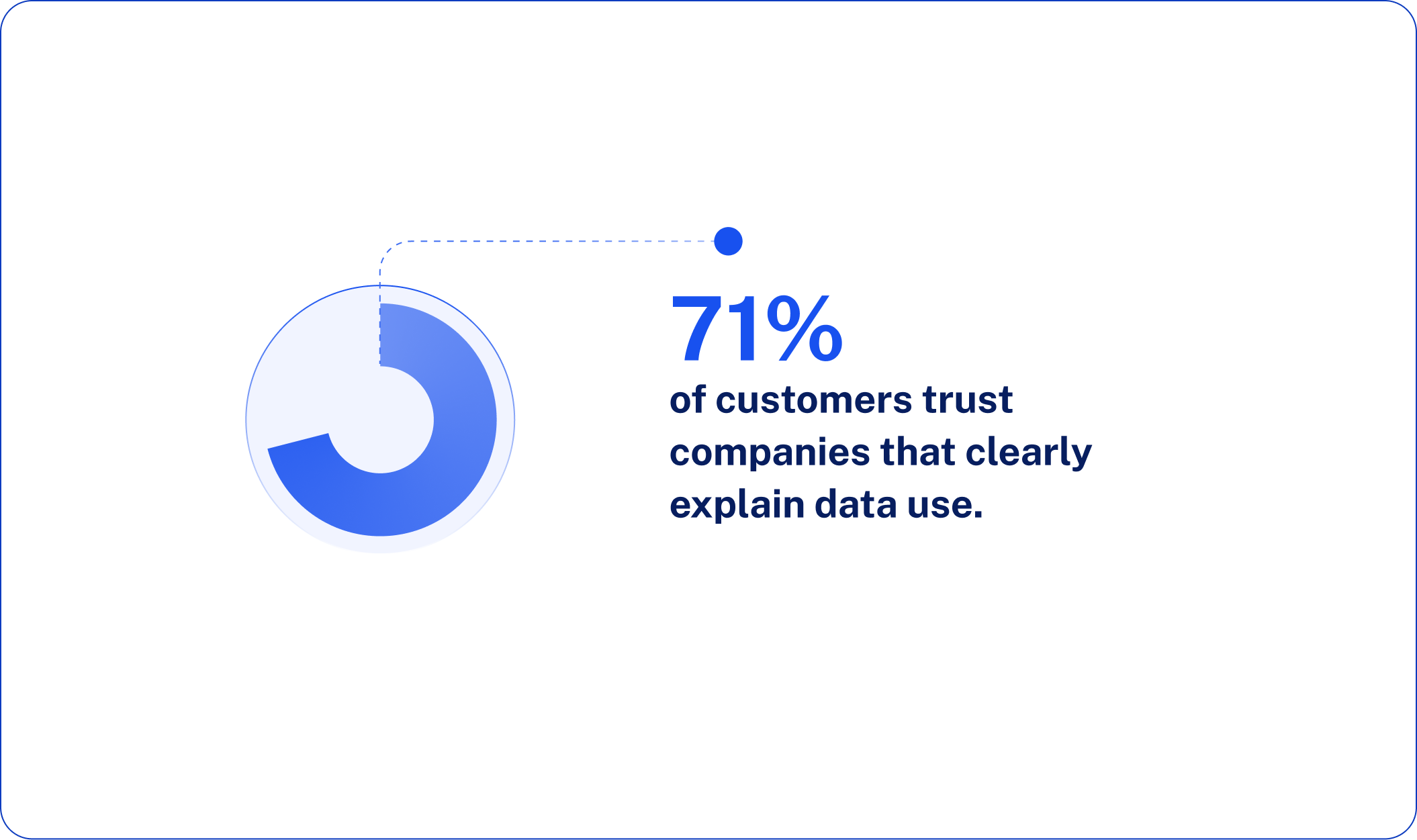
71 % of customers say they’re more likely to trust a company with personal data if its use is clearly explained. With great data comes great responsibility. Collecting psychographic data must be done ethically and in compliance with privacy regulations:
- GDPR and data privacy regulations:
Your data collection practices must be compliant with GDPR, CCPA, and other regional privacy laws. Understand what information you can collect, store, and share, and when explicit consent is needed.
- Consent and transparency:
Be transparent about the data you will collect and how you will use it. Provide clear opt-in mechanisms and make it easy for prospects to control their data preferences or opt out altogether.
- Security best practices for data:
Encrypt, store, and control access to psychographic information that you gather. Breach of data not only runs the risk of a compliance penalty, but it also kills trust.
Even the most successful B2B marketers view ethical data collection as something less of a restraint and more of a competitive advantage. By adhering to respect for privacy and clarity in the usage of data, you develop trust, which is crucial in a long-term relationship with a customer.
You’ll be able to create a strong psychographic database that completely changes your targeting and engaging of B2B buyers by strategically combining first-party insights, third-party intelligence, and AI-powered analysis while being ethical.
Analyzing and Segmenting Psychographic Data
With psychographic data in hand, the real work starts: turning raw insights into actionable segments that drive targeted campaigns. It’s not about understanding your buyers; it’s about segmenting them in a way to deliver the right message to the right person at the right time.
Creating Psychographic Buyer Personas
Psychographic buyer personas go beyond the traditional personas, which only capture job titles and responsibilities. They flesh out the ideal customers with their motivations, fears, and other decision-making patterns.
For instance, other than just “Sarah, VP of Marketing at a mid-sized SaaS company”, you could make “Innovation-Driven Sarah” a VP who prioritizes cutting-edge tools, values data-driven decisions, and is measured on pipeline growth. She’s willing to take calculated risks on new technology if it gives her a competitive edge, prefers quick implementation, and responds best to ROI-focused messaging with real customer success stories.
When building psychographic personas, include:
- Core motivations: What is driving their decisions?
- Pain points and challenges: What keeps them up at night?
- Success metrics: How do they define and measure success?
- Decision-making style: How do they evaluate and choose solutions?
- Communication preferences: What are the preferred formats and channels of communication?
- Emotional Triggers: What speaks to them on a deeper level?
These rich personas become the foundation of all your marketing efforts, from content creation to targeting campaigns.
Psychographic Segmentation Strategies
Not all buyers think alike, even when they have similar job titles or are in the same industry. Here are three powerful ways to segment your audience based on psychographics:
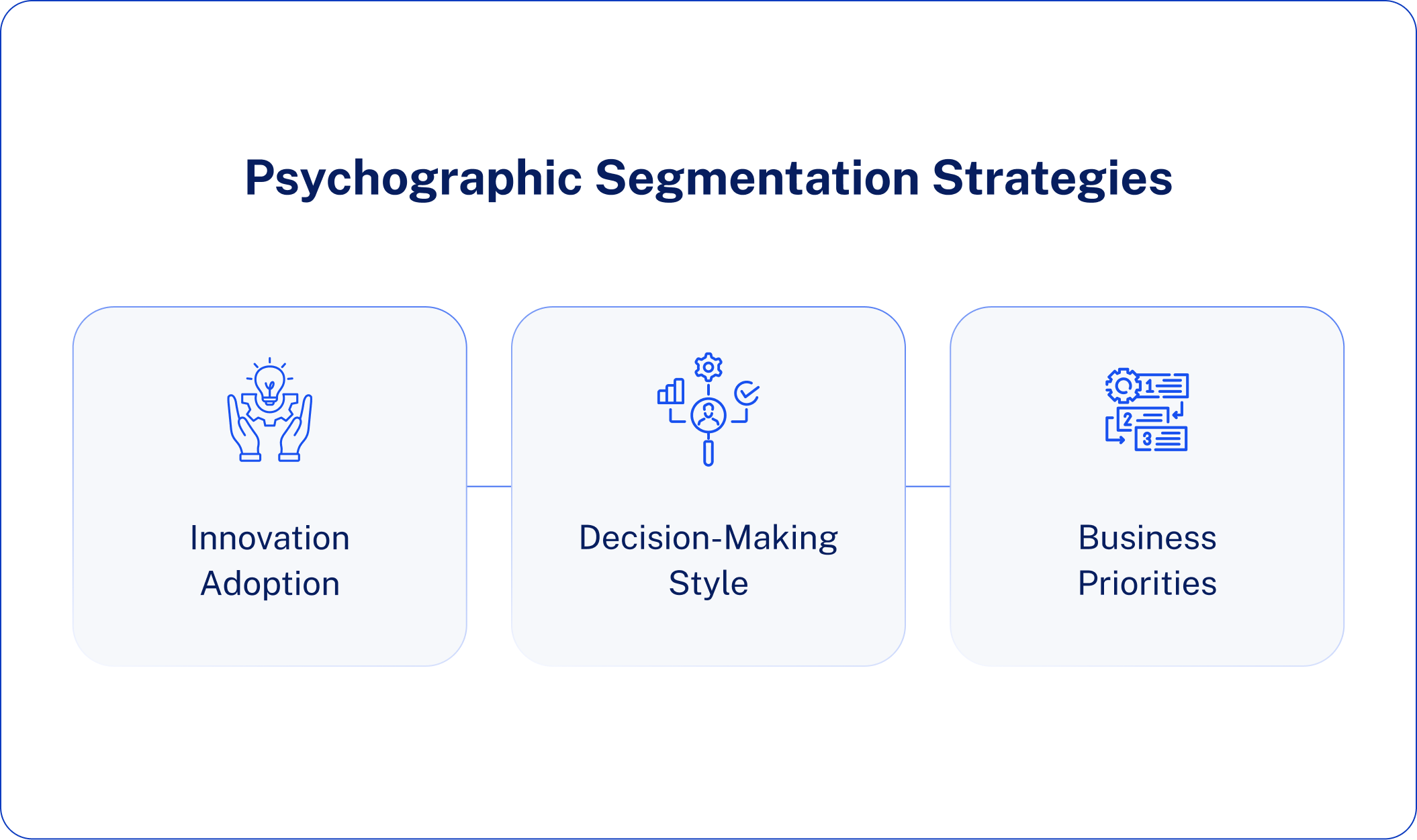
By Innovation Adoption
Categorize the audience based on their willingness to embrace new solutions, using the classic innovation adoption curve:
-
- Innovators: Tech-savvy buyers who want to be first to market with new solutions. They value cutting-edge features over proven track records and are willing to accept some implementation risk.
- Early Adopters: These strategic buyers believe in the competitive edge of early adoption but look for validation. They need case studies and proof points, but don’t require years of market validation.
- Early Majority: These are pragmatic buyers who wait for the solutions to become established. They want comprehensive support, proven ROI, and references from similar companies.
- Late Majority: Those skeptical buyers who adopt only when necessary. Much proof, strategies mitigating risks are needed, and most of the time require peer pressure or market shift to move.
- Laggards: These are conservative buyers who resist change until forced. These buyers prioritize stability over innovation and need messaging focused on risk avoidance and maintaining the status quo.
Understanding where prospects fall on this spectrum allows you to tailor everything from product positioning to proof points.
By Decision-Making Style
How buyers make decisions is just as important as what they’re trying to achieve:
- Analytical Decision Makers: These are data-driven buyers looking for detailed comparisons, ROI calculators, and technical specifications. They respond to whitepapers, in-depth demos, and quantitative proof.
- Consensus-Driven Decision Makers: These are collaborative buyers who require buy-in from a variety of stakeholders. They leverage tools for internal sharing, appreciate having materials for different audiences, and require longer sales cycles with multiple touchpoints.
- Intuitive Decision-Makers: Gut-driven buyers who rely on their instincts and act quickly. These buyers will respond to vision-focused messaging, brief high-level demos, and relationship building more than long evaluations.
- Risk-averse decision-makers are cautious buyers who fear making the wrong choice. They need extensive social proof, security certifications, implementation support guarantees, and exit strategy options.
By tailoring your sales approach to their particular decision-making style, conversion rates increase dramatically.
By Business Priorities
What matters most to your buyers shapes everything about how they evaluate solutions:
- Price-Centric Buyers: Budget-conscious decision-makers who want to yield a cost-efficient solution. Lead with transparency about pricing, TCO analyses, and cost-per-outcome metrics.
- Growth-Focused Buyers: Revenue-driven leaders seeking competitive advantage and market expansion. Emphasize scalability, speed to value, and revenue impact case studies.
- Efficiency-focused buyers: are the buyers who are operations-minded, seeking to rationalize processes and reduce friction. Highlight automation, time savings, integration capabilities, and productivity gains.
- Compliance-driven customers: Risk management leaders for whom security, governance, and compliance are key issues. Lead with certifications, security features, and audit capabilities.
When you align your value proposition with their primary business priority, you immediately become more relevant.
Using AI for Advanced Segmentation
Manual segmentation works for small audiences, while AI-powered analysis can identify patterns and create micro-segments at scale that a human might miss.
AI tools analyze thousands of data points in behavioral, attitudinal, and motivational psychographics to cluster prospects into segments based on similarities automatically. Machine learning algorithms continuously refine these segments to keep your targeting up to date as new data comes in.
Then, predictive analytics can also help you find which psychographic segments are likely to convert, enabling you to focus on the most valuable audiences and better allocate your budget.
Combining Psychographic with Firmographic Data
The magic happens when you layer psychographic insights on top of firmographic targeting. Instead of targeting “CFOs at mid-market manufacturing companies,” you can target “cost-focused, risk-averse CFOs at mid-market manufacturing companies in growth mode.”
The result is hyper-targeted segments like:
- Innovation-driven CTOs at Series B SaaS startups
- Consensus-driven Marketing Directors at enterprise healthcare organizations
- Efficiency-focused Operations VP, Mid-sized Logistics Company
By blending both data types, you can ensure you’re targeting the right people at the right companies with messaging that actually resonates.
When you move from generic targeting to psychographic segmentation, you’re not just improving campaign performance; you’re fundamentally changing how you connect with buyers. Those companies that master the approach do not just drive more leads; they drive better leads, faster converting, and longer-staying ones.
Implementing Psychographic Data in Your B2B Marketing Strategy
Understanding psychographic data is one thing; actually using it to transform your marketing is another. The true power of psychographic insights emerges when you weave them into every touchpoint of your marketing strategy-from the content you create to how your sales team approaches conversations.
Here’s how to enable psychographic data across your key marketing channels:
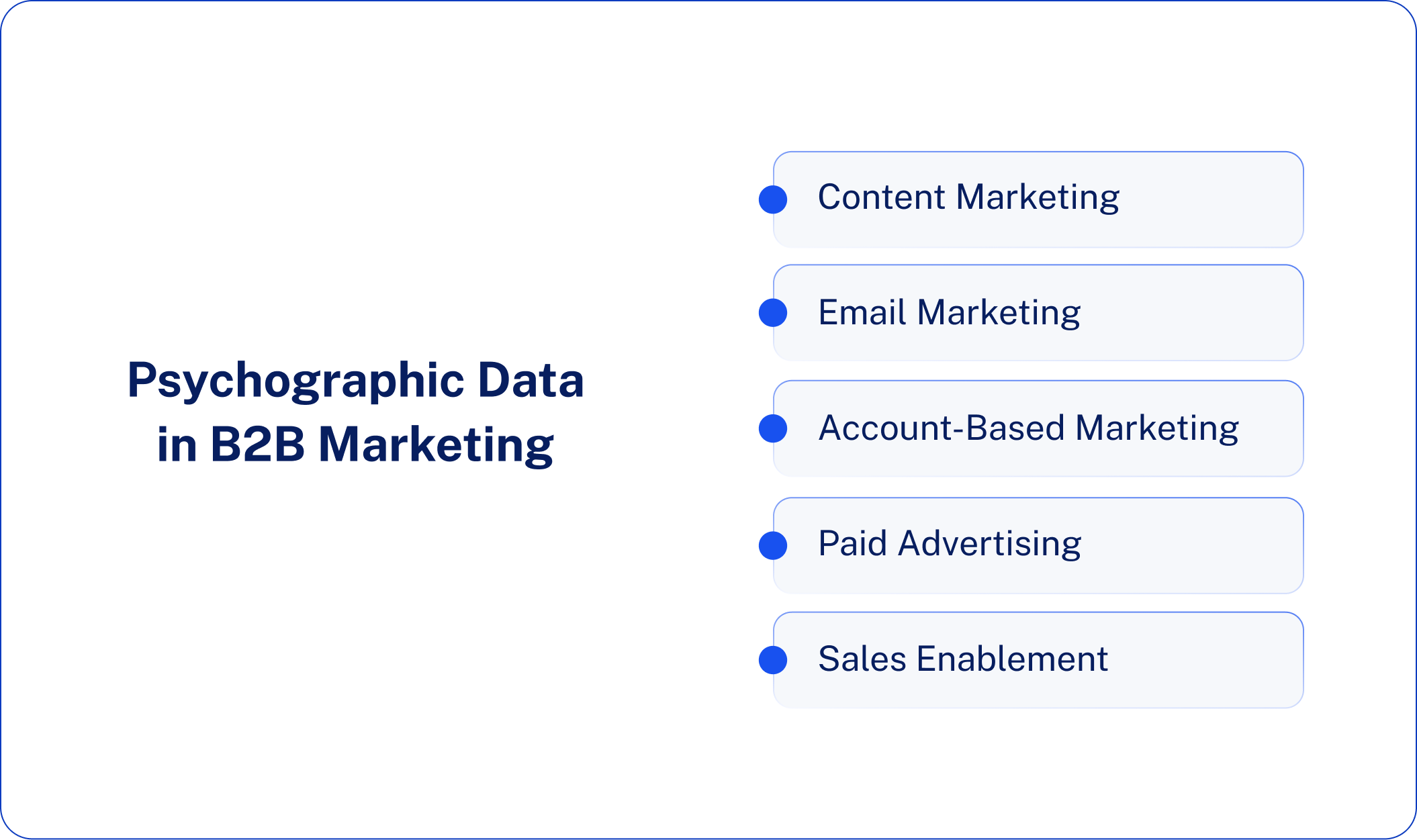
Content Marketing
Generic content might cast a wide net, but psychographically targeted content catches the fish you actually want.
- Messaging tailored to psychographic segments: An innovation-focused CTO doesn’t want to hear about “reliable, proven technology”; they want “cutting-edge capabilities that give you a competitive advantage.” At the same time, a risk-averse CFO needs exactly the opposite: “enterprise-grade security with 99.9% uptime guarantees.” Same product, completely different angles based on psychographic profiles.
- Content formats that resonate by personality type: Analytical buyers want in-depth whitepapers, technical documentation, and detailed comparison guides—intuitive decision-makers like fast video overviews, visual infographics, and executive summaries. Consensus-driven buyers want shareable one-pagers and presentation decks they can circulate internally.
- Choose interesting topics: If your audience values innovation, produce content about emerging trends and forward-thinking strategies. When efficiency is their game, it’s optimization frameworks and productivity gains that get them going. Let their values guide your editorial calendar.
Email Marketing
Email remains one of the highest-ROI channels in B2B, but only when you move beyond surface-level personalization.
- Personalization beyond first name: Instead of “Hi {{FirstName}}, check out our new feature,” try “Hi Sarah, since you’re focused on accelerating pipeline growth, here’s how teams like yours are cutting sales cycles by 30%.” Reference their specific motivations, challenges, and goals directly in your copy.
- Timing and frequency optimization: Risk-averse buyers might need weeks of nurturing with steady educational content. Fast-moving innovators respond better to timely, action-oriented messages with shorter intervals. Match your cadence to their decision-making style.
- Subject line and CTA customization: Cost-focused buyers click on “Reduce costs by 40%” while growth-focused buyers respond to “Scale faster than your competition.” Test different psychological triggers based on segment priorities to maximize engagement.
Account-Based Marketing (ABM)
ABM is where psychographic data truly shines, allowing you to orchestrate hyper-personalized experiences at the account level.
- Psychographic profiling at the account level: Don’t just profile individual contacts; understand the organization’s culture and decision-making dynamics. Is this a consensus-driven company where procurement, legal, and IT all need to sign off? Or a top-down organization where the executive sponsor makes quick decisions?
- Multi-stakeholder mapping: Different stakeholders within the same account have different psychographic profiles. The CFO cares about ROI and cost control, the CTO wants technical innovation, and the Operations Director needs ease of implementation. Map and address each stakeholder’s unique motivations.
- Personalized account experiences: Create custom landing pages, tailored demo environments, and account-specific content hubs that speak directly to that organization’s priorities, challenges, and values. When a target account visits your site, they should feel like you built it specifically for them.
Paid Advertising
Psychographic targeting transforms paid campaigns from spray-and-pray to surgical precision.
- Audience targeting on LinkedIn, Google, and other platforms: Beyond job title and company size, layer in interests, groups, and content engagement signals. Target CFOs who follow thought leaders focused on digital transformation versus those focused on cost optimization; they’re fundamentally different buyers.
- Ad creative customization: Run different ad variations for different psychographic segments. Show efficiency-focused buyers messaging about “streamlined workflows and time savings,” while showing innovation-driven buyers “AI-powered features and competitive differentiation.”
- Landing page personalization: When someone clicks your ad, don’t send everyone to the same generic landing page. Dynamic landing pages that reflect the visitor’s psychographic segment, matching messaging, social proof, and CTAs to their specific motivations, can double conversion rates.
Sales Enablement
Your sales team needs psychographic insights just as much as your marketing team does.
- Equipping sales teams with psychographic insights: Add psychographic attributes directly to CRM records so reps can see at a glance: “Risk-averse, consensus-driven, efficiency-focused.” This context changes how they approach discovery calls, demos, and negotiations.
- Conversation starters and objection handling: Train your team to recognize psychographic cues during calls. When a prospect says, “We need to see proof this works,” that’s a risk-averse respond with case studies and guarantees. When they ask, “What’s the most advanced feature you have?” that’s innovation-seeking; show them your roadmap and beta features.
- Proposal customization: Generic proposals get generic responses. Customize proposals based on psychographic profiles, emphasize ROI and cost savings for financial buyers, highlight technical capabilities for innovation-focused buyers, and stress implementation support and training for risk-averse buyers.
When you implement psychographic data across all these channels, you create a consistent, personalized experience that feels less like marketing and more like mind-reading. That’s when prospects stop seeing you as just another vendor and start seeing you as a partner who truly understands their world.
Top Tools & Technologies to Leverage
The right tools can make the difference between drowning in data and turning insights into action. Here are the key technology categories that enable effective psychographic marketing at scale:
Data Enrichment Platforms
Platforms like AI Ark, B2B enrichment, and Apollo help you layer psychographic attributes onto your existing contact and account data. These solutions combine firmographic basics (company size, industry, revenue) with psychographic signals (buying behavior, technology adoption patterns, content engagement) to give you a complete picture of each prospect. AI Ark’s AI-powered semantic search and similarity algorithms are particularly effective at identifying prospects who share psychographic traits with your best customers.
Analytics & AI Platforms
AI-driven analytics platforms use machine learning to identify patterns in buyer behavior, predict decision motivations, and surface insights that would be impossible to spot manually. These tools analyze thousands of data points from content consumption to engagement timing to score prospects based on psychographic fit and buying intent. The result? You can prioritize accounts that not only match your ideal customer profile demographically but also think and behave like your best converters.
Marketing Automation Tools
Modern marketing automation platforms (HubSpot, Marketo, Pardot) enable you to activate psychographic segments with dynamic personalization. Set up workflows that automatically adjust email content, timing, and CTAs based on psychographic attributes. Show risk-averse buyers more case studies and guarantees, while innovation-driven buyers see cutting-edge features and early access opportunities, all automated based on the psychographic data in your CRM.
The key is choosing tools that integrate seamlessly with your existing stack, making it easy to collect, analyze, and activate psychographic insights across every customer touchpoint.
Future of Psychographic Data in B2B Marketing
The evolution of psychographic data in B2B marketing is accelerating, and the next wave will fundamentally change how we understand buyers.
AI-driven audience intelligence is moving beyond manual analysis to automated insight generation. Next-generation platforms use machine learning to identify psychographic patterns, predict behavior, and refine segments in real-time. These systems don’t just tell you who your buyers are, they predict what they’ll do next and why.
Predictive marketing powered by AI psychographic insights is advancing beyond basic intent scoring. Emerging technologies now analyze emotional cues in communication, detect sentiment shifts, and predict which messaging will resonate before campaigns even launch.
The bottom line? Psychographic data is becoming the foundation of competitive advantage in B2B. Companies that build these capabilities now will dominate their markets, while those relying solely on firmographics will struggle to break through. The future of B2B marketing isn’t just data-driven, it’s psychology-driven.
Power Your B2B Marketing with AI Ark
Here’s the bottom line: Psychographic data reveals the “why” behind every B2B purchase. In a crowded market, understanding what truly motivates your buyers is what separates winning campaigns from wasted budget.
Are you still relying on surface-level firmographics while your competitors connect with decision-makers on a deeper level? The most successful B2B marketers combine data-driven precision with human-centric insights using psychographics to understand the person behind the job title and the motivations behind the metrics.
Ready to stop guessing what your buyers want and start knowing what drives them?
AI Ark combines AI-powered data enrichment with psychographic intelligence to help you identify high-intent prospects who don’t just fit your ideal customer profile; they think and act like your best customers. Why settle for knowing who your buyers are when you could understand why they buy?
Book a demo today and discover how AI Ark can transform your B2B marketing strategy.
FAQ For Psychographic Data for B2B Marketing
1. What is psychographic data in B2B marketing?
Psychographic data in B2B marketing go beyond demographics and firmographics to uncover the motivations, values, attitudes, and behaviors driving decision-makers. It uncovers the ‘why’: why buyers choose a particular solution over others, whether it be for innovation, cost efficiency, or the reduction of risk. This helps marketers in crafting personalized campaigns that really work. By integrating psychographics, you move from knowing who your buyers are to understanding what drives them.
2. What are the main types of psychographic data used in B2B marketing?
The four main types of psychographic data in B2B marketing are:
- Behavioral psychographics (online engagement, purchase timing, digital habits)
- Attitudinal psychographics (industry outlook, innovation readiness, and brand loyalty).
- Motivational psychographics (career goals, KPIs, success metrics)
- Organizational Psychographics (company-organizational culture, decision-making structure, growth mindset)
Combined, they provide a 360-degree view of your audience, not only showing how they act but why they decide.
3. How does psychographic data improve B2B targeting and ROI?
Psychographic data allows you to segment prospects based on their mindset and motivations, not just job title or company size. When your messaging speaks directly to a buyer’s challenges and goals, the rates of engagement rise, the sales cycles shorten, and conversion rates can increase by as much as 60%. This deeper alignment builds trust and moves prospects from awareness to purchase faster, with higher ROI and stronger customer relationships.
4. What is an example of psychographic data in B2B marketing?
A good illustration of psychographic data in B2B marketing is knowing whether the CTO values innovation and early adoption; instead of generic product features, your outreach would focus on state-of-the-art technology, scalability, and competitive advantage. On the other hand, a risk-averse CFO might prioritize reliability, compliance, and proof points showing ROI. These insights come from the analysis of behavior, engagement, and communication preferences and not just firmographic data.
5. How can businesses collect psychographic data ethically and effectively?
Businesses can source psychographic data in an ethical manner by combining first-party data, such as website behavior, CRM insights, and surveys, with third-party intelligence that includes social listening, review platforms, and event participations, and AI-driven pattern recognition. Here, transparency into consent and compliance with the GDPR and CCPA is paramount. Using AI Ark or similar platforms, marketers can enrich existing data with psychographic layers while maintaining privacy and building trust through clear data usage policies.